

Healthy Recipe: Frozen Berry Protein Balls
Key to Life Health and Fitness • April 30, 2019
Healthy Recipe: Frozen Berry Protein Balls
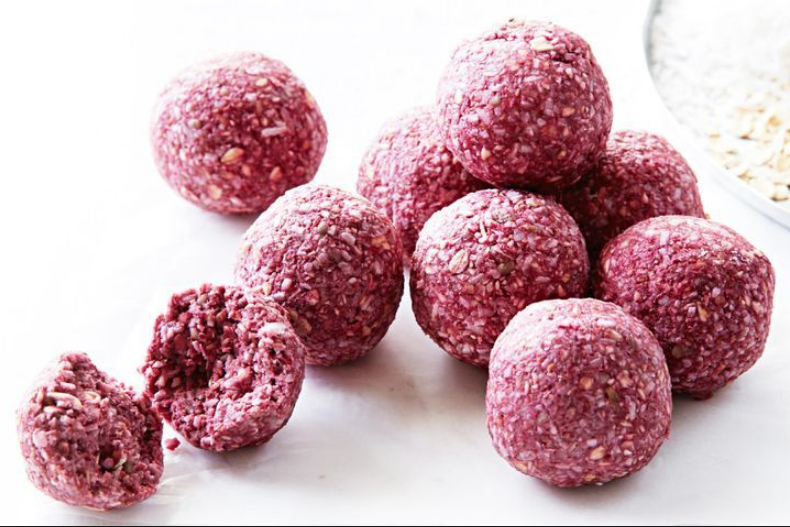
Makes 8-10 Balls
Ingredients
- 4 large dates or 8 small dates (1/3 cup)
- 1 Cup of Raw Cashews or Hazelnuts
- 1 tbsp Cacao Powder
- 2 tbsp Coconut
- 60gms Frozen Berries
- 1 Scoop of Vanilla Protein Powder
- Squeeze of Maple Syrup
Method
Blend all the ingredients in a Food Processor until combined.
Roll into balls and then dip into the coconut.
Store in an airtight container in freezer.
Serve straight from the freezer and thaw for 1 min.
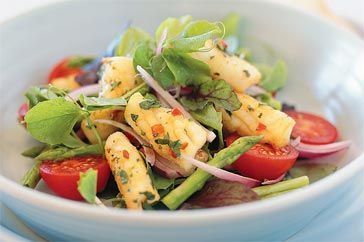
A light healthy recipe perfect for your spring reset and the warmer months ahead.
Only 15 minutes pre and 10 minutes cooking to serve 4.
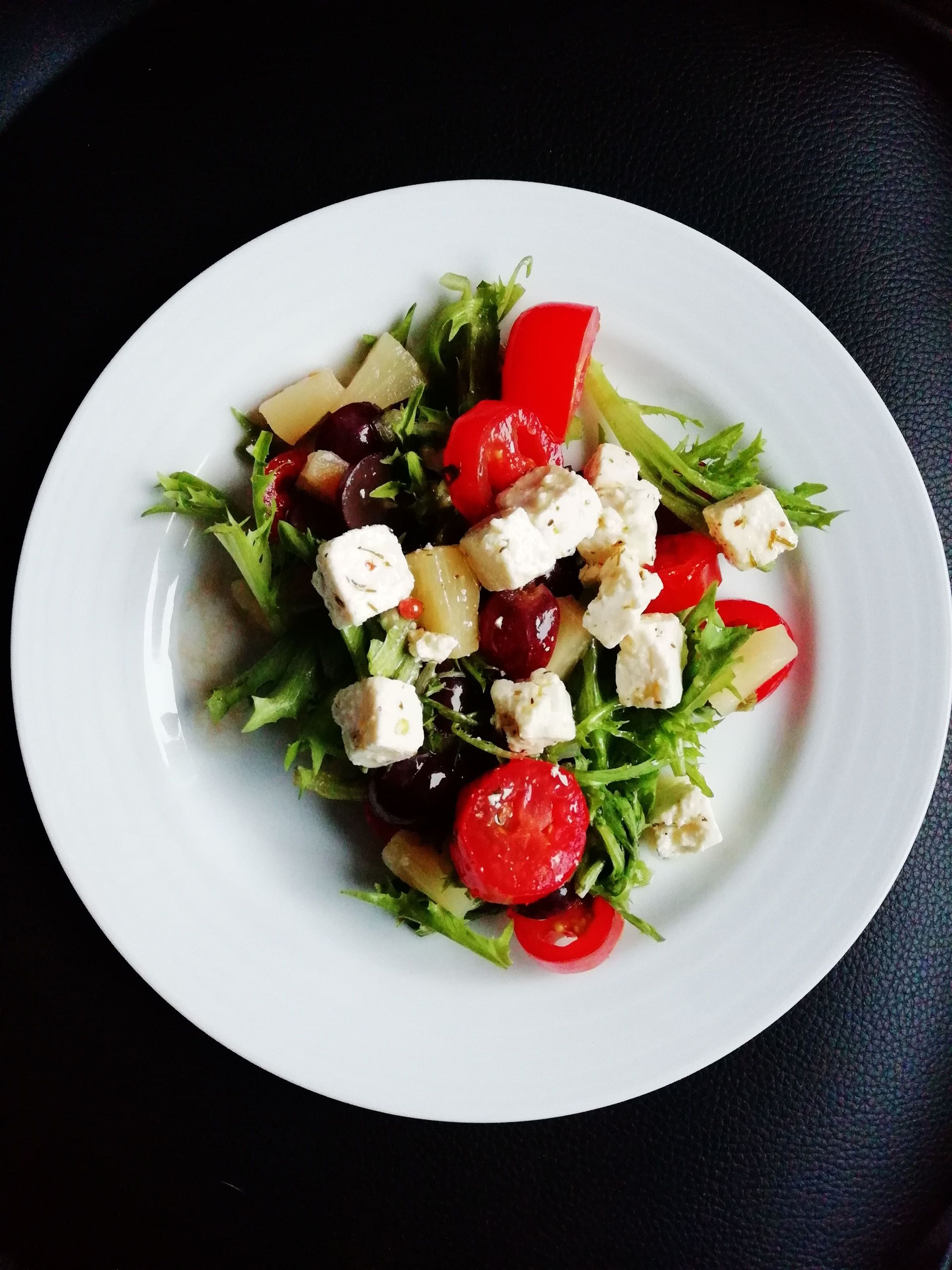
A spring nutrition reset helps restore vitality, support digestion, and prepare the body for more active months ahead.

Understanding the causes of anxiety and learning practical strategies can help individuals feel more grounded, confident, and in control.
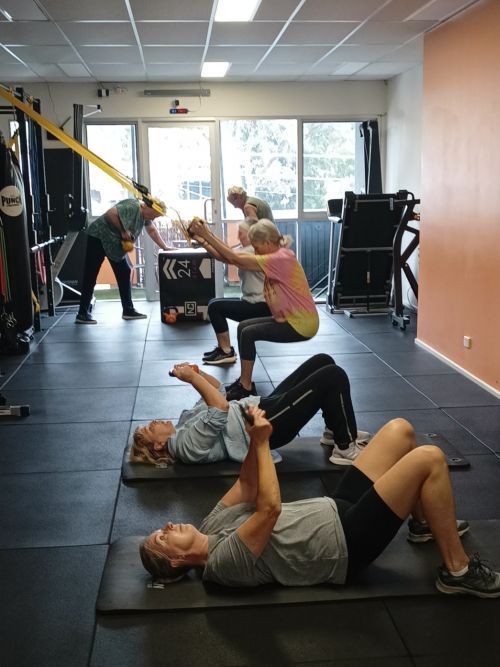
Interval training offers a time‑efficient solution that delivers strong fitness benefits without long workouts. This article explains how interval training works, why it’s effective, and how to use it safely — especially for beginners or those returning to exercise.
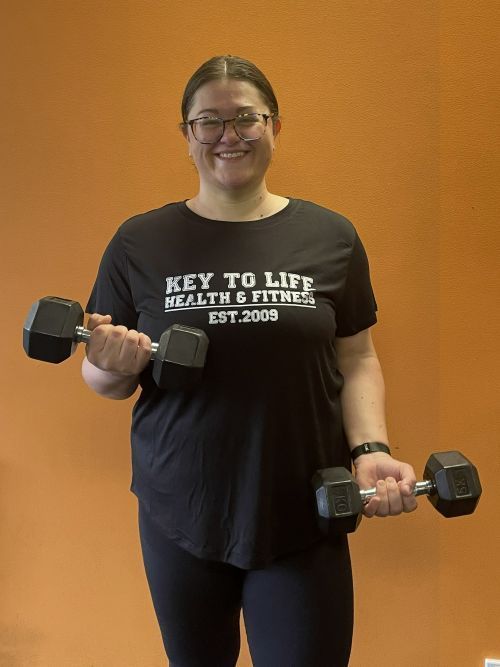
Congratulations to Renee Daniele our October Member of the Month.
Renee has been a KTL member for over seven months, and in that time she has built consistency with her classes and built some serious muscles as well :)
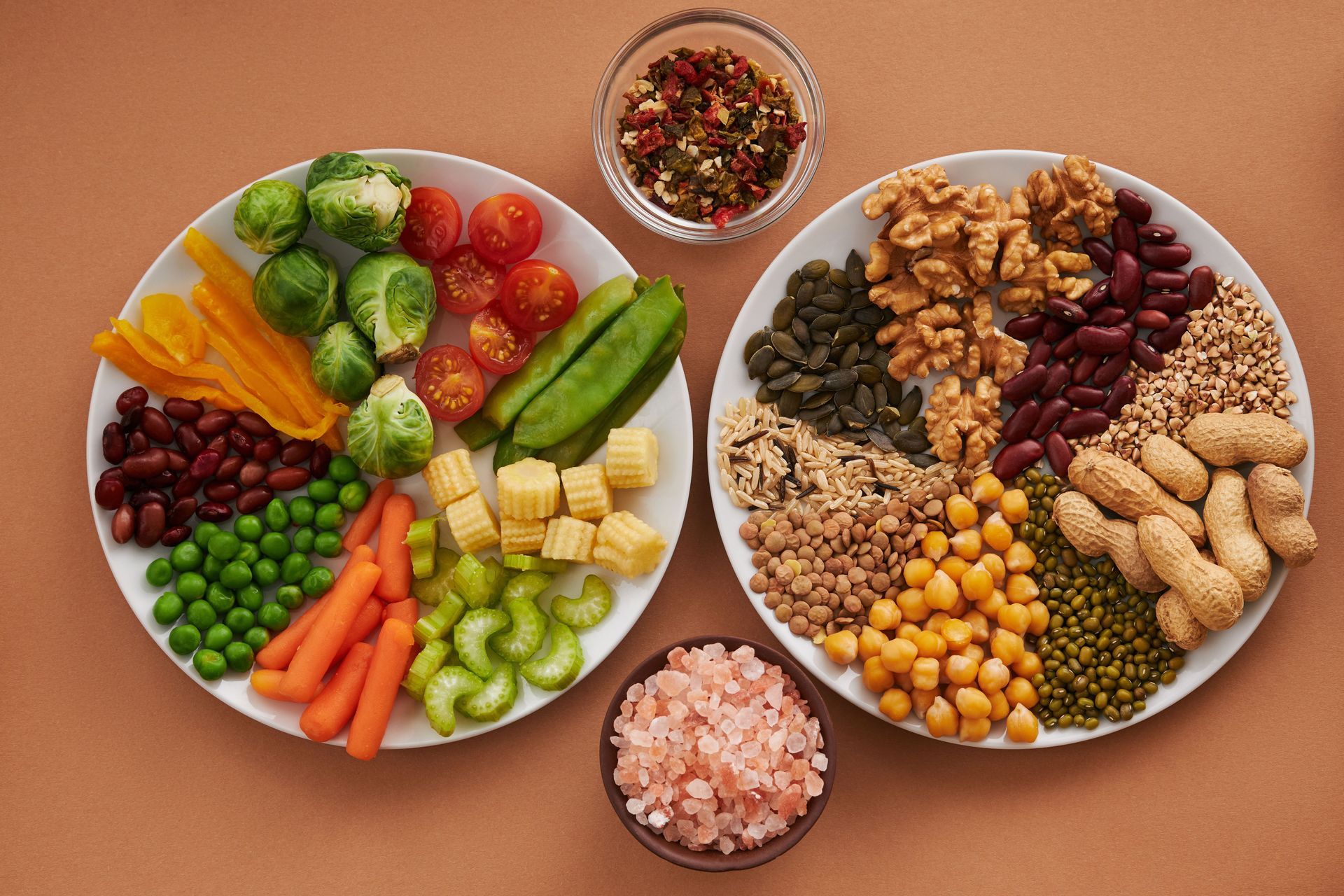
Modern eating habits, busy schedules, and reduced outdoor time all contribute to nutrient gaps. The good news is that small, consistent changes can make a meaningful difference.