
Anxiety in Midlife: Why It Happens & What Helps
Anxiety in Midlife: Why It Happens and What Helps

Midlife is a period of significant transition.
Many people experience increased anxiety due to hormonal changes, shifting responsibilities, career pressures, and evolving personal identities. Anxiety during this stage is common — but often misunderstood.
Understanding the causes and learning practical strategies can help individuals feel more grounded, confident, and in control.
This article explores why midlife anxiety occurs, how it presents, and evidence‑based strategies to help manage it.
Why Anxiety Often Increases in Midlife
Hormonal Fluctuations
Changes in oestrogen, progesterone, and testosterone can affect:
- Mood regulation
- Sleep quality
- Stress tolerance
- Emotional sensitivity
These hormonal shifts can make people more reactive to everyday stressors.
Increased Responsibilities
Midlife often includes:
- Career progression or uncertainty
- Caring for children or ageing parents
- Financial pressures
- Relationship changes
- Social expectations
These responsibilities can create chronic stress and emotional fatigue.
Sleep Disturbances
Poor sleep increases cortisol, reduces emotional resilience, and amplifies anxiety symptoms. Many people in midlife experience disrupted sleep due to stress, hormonal changes, or lifestyle factors.
Identity and Life Direction Changes
Midlife often prompts reflection on goals, values, and life direction. This can create uncertainty or emotional tension, especially during periods of transition.
Reduced Recovery Capacity
The body’s ability to recover from stress gradually decreases with age, making prolonged stress more impactful.
Common Signs of Midlife Anxiety
- Persistent worry or rumination
- Irritability or emotional sensitivity
- Difficulty concentrating
- Sleep disruption
- Physical tension (jaw, shoulders, headaches)
- Feeling overwhelmed or easily fatigued
- Avoidance of social or work commitments
- Increased reliance on stimulants or coping behaviours
Evidence‑Based Strategies That Help
1. Breathing Techniques
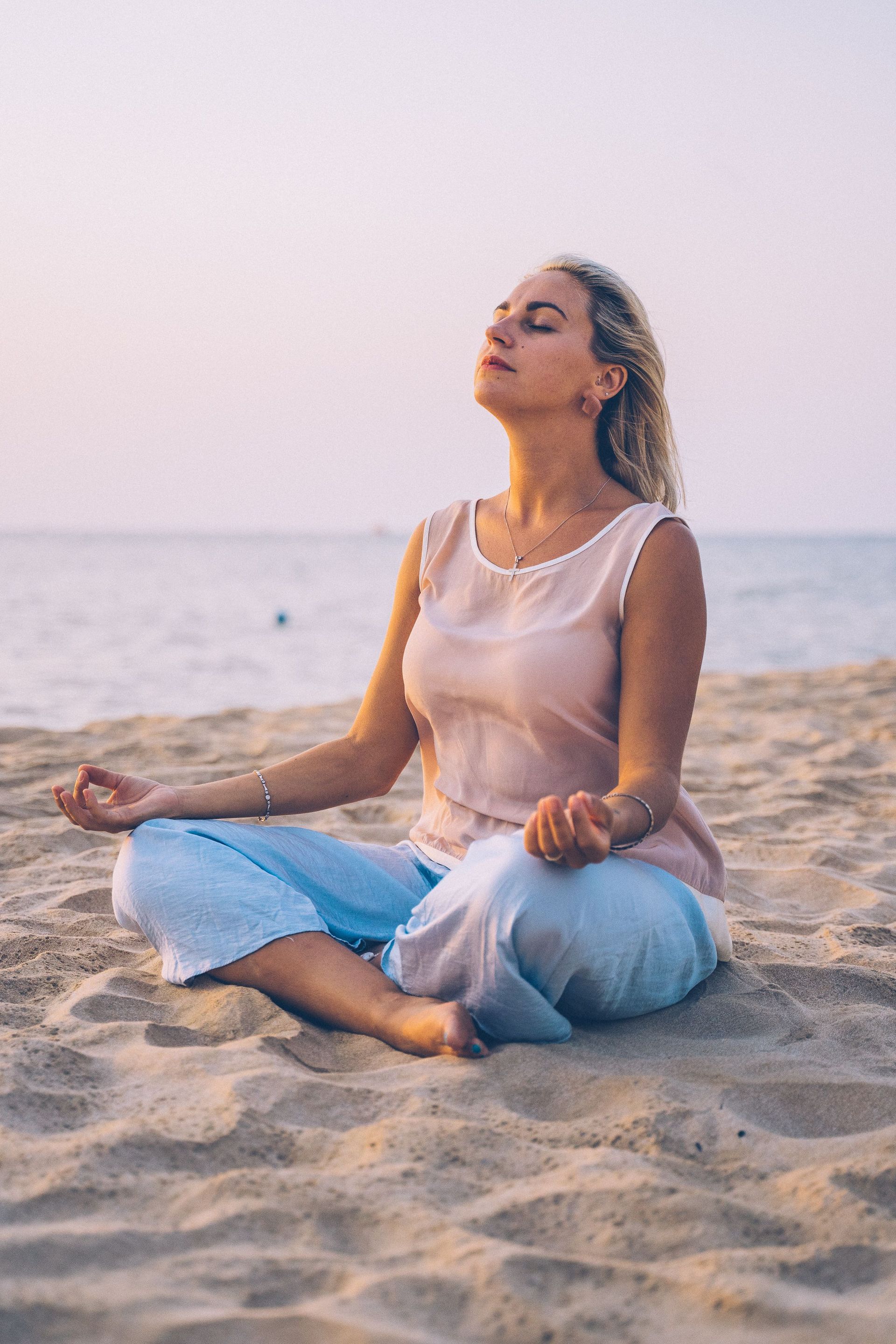
Slow, controlled breathing activates the parasympathetic nervous system.
Examples:
- Box breathing
- 4‑7‑8 breathing
- Diaphragmatic breathing
These techniques reduce heart rate, calm the mind, and improve emotional regulation.
2. Regular Movement
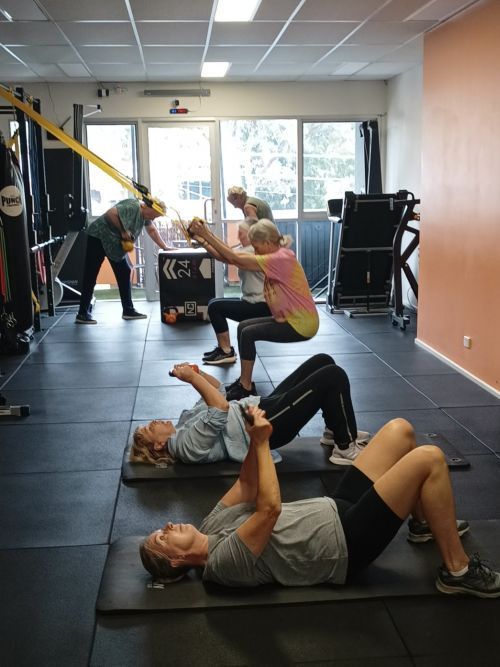
Exercise reduces cortisol, improves sleep, and boosts mood. Even short sessions — 10 to 20 minutes — can significantly reduce anxiety symptoms.
Recommended activities:
- Walking
- Pilates
- Yoga
- Strength training
- Low‑impact cardio
3. Structured Routines
Routine reduces decision fatigue and creates predictability, which helps calm the nervous system.
Examples:
- Morning rituals
- Consistent meal times
- Scheduled movement breaks
- Evening wind‑down routines
4. Mindfulness or Journaling
Mindfulness helps interrupt spiralling thoughts. Journaling helps process emotions and identify triggers.
Useful prompts:
- “What is worrying me right now?”
- “What can I control today?”
- “What support do I need?”
5. Limit Stimulants
Caffeine, alcohol, and sugar can amplify anxiety symptoms by increasing heart rate and disrupting sleep.
6. Prioritise Sleep
Consistent sleep routines support emotional regulation and reduce stress sensitivity.
Tips:
- Limit screens before bed
- Keep a consistent bedtime
- Use calming rituals (reading, stretching, breathing)
7. Seek Support
Talking with a coach, counsellor, or health professional can provide clarity, reassurance, and practical strategies.
How Key to Life Supports Mental Wellbeing
Key to Life coaches help clients build realistic routines that support emotional balance. We focus on movement, mindset strategies, and personalised guidance to help people feel grounded, confident, and in control.