

Iron, Calcium & Key Nutrients Often Missed
Understanding the Nutrients That Matter Most
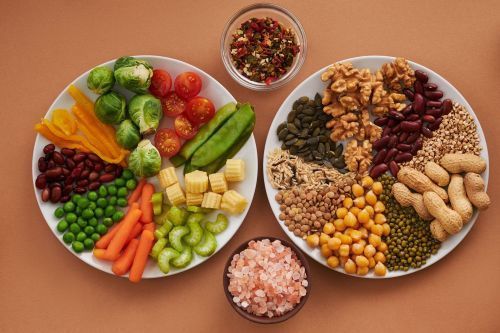
As adults move through their 30s, 40s, 50s and beyond, nutritional needs evolve. Energy demands shift, bone density changes, and lifestyle pressures often increase. It’s common for people to unintentionally fall short on several essential nutrients—particularly iron, calcium, vitamin D, and magnesium. These nutrients influence everything from energy levels and cognitive clarity to bone strength, sleep quality, and stress resilience.
Modern eating habits, busy schedules, and reduced outdoor time all contribute to nutrient gaps. The good news is that small, consistent changes can make a meaningful difference.
Iron: Supporting Energy and Cognitive Function
Iron plays a central role in transporting oxygen throughout the body. When iron intake is low, the body struggles to maintain optimal energy production, leading to fatigue and reduced stamina.
Common signs of low iron intake
- Feeling unusually tired or sluggish
- Difficulty concentrating
- Reduced tolerance for exercise
- Feeling cold more often
These signs can overlap with many other conditions, so professional assessment is important if symptoms persist.
Iron‑rich foods to include
- Lean red meat
- Lentils, chickpeas, and beans
- Spinach, silverbeet, kale
- Iron‑fortified cereals
- Pumpkin seeds
To improve absorption, pair plant‑based iron sources with vitamin C—such as adding lemon to greens or capsicum to bean dishes.
Calcium: Building and Protecting Bone Strength
Calcium is essential for maintaining strong bones and supporting muscle and nerve function. As bone density naturally declines with age, consistent calcium intake becomes increasingly important.
Calcium‑boosting foods
- Greek yoghurt
- Milk or calcium‑fortified plant milks
- Sardines or salmon with bones
- Tofu set with calcium
- Almonds
- Broccoli and leafy greens
Spreading calcium intake across the day helps the body absorb it more effectively.
Vitamin D: Supporting Immunity and Mood
Vitamin D helps the body absorb calcium and plays a role in immune function and mood regulation. Many adults—especially those who work indoors—struggle to maintain adequate levels.
Ways to support vitamin D
- Safe, regular sun exposure
- Eggs
- Oily fish such as salmon or mackerel
- Vitamin D‑fortified foods
If fatigue or low mood persists, a healthcare professional can help assess vitamin D levels.
Magnesium: Stress Regulation and Muscle Relaxation
Magnesium supports hundreds of biochemical processes, including muscle relaxation, sleep quality, and stress regulation.
Magnesium‑rich foods
- Nuts and seeds
- Whole grains
- Dark leafy greens
- Legumes
- Avocado
Many people find that increasing magnesium intake helps reduce muscle tension and supports more restful sleep.
A Simple Habit to Try This Month
Choose one nutrient‑dense addition for each meal.
Examples include adding spinach to breakfast, choosing yoghurt or nuts as a snack, including beans in lunch salads, or enjoying salmon for dinner.
Small, consistent changes build a stronger nutritional foundation over time.
How Key to Life Can Support You
Key to Life offers personalised guidance through body composition scanning, nutrition education, and fitness coaching. Our trainers help clients understand their nutritional needs and build sustainable habits that support long‑term health.
If you’d like support in improving your energy, strength, or overall wellbeing, Key to Life can help you take the next step.