Breathing for Calm: Simple Techniques to Reduce Stress
Why Breathing Is One of the Most Effective Stress Tools
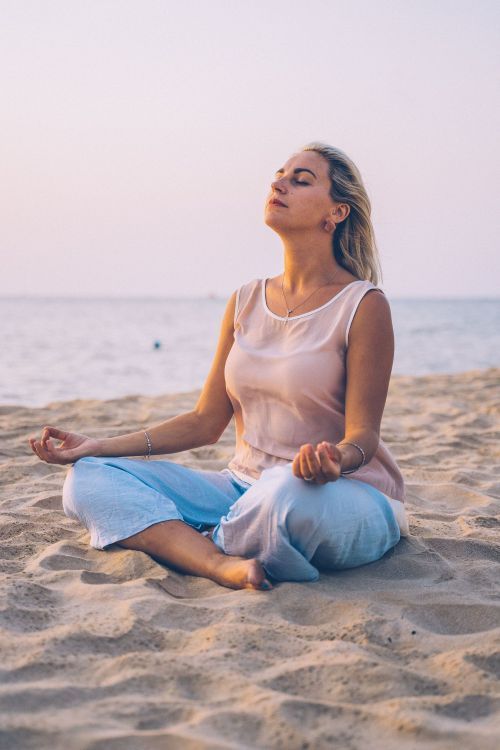
Breathing is a built‑in stress‑management system that can be accessed anytime, anywhere.
When life becomes busy or overwhelming, breathing patterns often shift without us noticing—becoming shallow, fast, or irregular. This signals the body to stay alert, keeping the nervous system in a heightened state.
Intentional breathing reverses this process. It activates the body’s calming response, reduces tension, and helps restore mental clarity. These techniques are simple, accessible, and effective for people of all ages and fitness levels.
How Stress Changes Your Breathing
Stress triggers the body’s “fight or flight” response. Breathing becomes quicker and shallower, heart rate increases, and muscles tense. Over time, this can contribute to fatigue, irritability, and difficulty concentrating.
Slow, controlled breathing sends the opposite message: the body is safe, and it can relax.
Technique 1: The 4–6 Breath
This technique lengthens the exhale, which helps calm the nervous system.
How to practise it
- Inhale through the nose for 4 seconds
- Exhale slowly for 6 seconds
- Repeat for 1–2 minutes
This technique is ideal during moments of overwhelm, before sleep, or when transitioning between tasks.
Technique 2: Box Breathing
Box breathing is widely used in high‑pressure environments to maintain focus and composure.
How to practise it
- Inhale for 4 seconds
- Hold for 4 seconds
- Exhale for 4 seconds
- Hold for 4 seconds
This technique is helpful before meetings, during stressful conversations, or anytime you need to reset.
Technique 3: Belly Breathing
Belly breathing encourages deeper, more efficient breaths and reduces tension.
How to practise it
- Place a hand on your belly
- Inhale so your belly rises
- Exhale so it falls
- Continue for 5–10 breaths
This technique supports relaxation, reduces muscle tension, and can help ease anxious thoughts.
Where These Techniques Fit Into Daily Life
Breathing practices can be used:
- In the car before heading into work
- During a stressful moment at home
- Before exercise
- After a meeting
- Before bed
- Anytime tension builds in the shoulders or jaw
These techniques take only a minute or two but can significantly improve mental clarity and emotional balance.
A Small Practice to Try This Month
Choose one breathing technique and use it once a day.
Consistency builds resilience, and breathing is one of the simplest ways to support mental wellbeing.
How Key to Life Can Support You
Key to Life integrates mental wellbeing into every fitness and coaching program.
Our trainers use supportive, encouraging approaches that help clients manage stress, build confidence, and feel more grounded.
Whether through Pilates, yoga, group fitness, or personalised coaching, Key to Life provides a welcoming environment to support both physical and mental wellbeing.