
Spring Reset: Light, Fresh Meals to Boost Energy
Spring Reset: Light, Fresh Meals to Boost Energy
Spring is a season of renewal. As temperatures rise and daylight increases, the body naturally shifts toward higher energy, improved mood, and a desire for lighter, fresher foods. After winter’s heavier meals, reduced sunlight, and lower outdoor activity, many people feel sluggish, bloated, or low in motivation. A spring nutrition reset helps restore vitality, support digestion, and prepare the body for more active months ahead.
This article explores how seasonal eating improves energy, mood, digestion, and overall wellbeing — and provides practical, achievable strategies to help readers refresh their nutrition habits without restriction.
Why Spring Eating Matters
Seasonal produce is more nutrient‑dense
Spring fruits and vegetables are harvested at peak freshness, meaning they contain higher levels of vitamins, minerals, antioxidants, and hydration. These nutrients support:
- Energy production
- Immune function
- Digestive health
- Skin health
- Stable mood and cognitive clarity
Leafy greens, berries, tomatoes, cucumbers, and fresh herbs are particularly beneficial due to their high antioxidant content and low calorie density.
Lighter meals reduce digestive load
Winter meals often include slow‑cooked meats, creamy sauces, and carbohydrate‑heavy comfort foods. These can be harder to digest and may contribute to bloating, fatigue, and sluggishness. Spring meals tend to be lighter, fresher, and easier for the body to process, supporting improved digestion and energy.
Hydration needs increase
Warmer weather increases fluid loss through sweat. Hydrating foods — such as watermelon, berries, citrus fruits, and cucumbers — help maintain electrolyte balance, support energy levels, and reduce headaches and fatigue.
Supports stable mood and energy
Fresh foods rich in antioxidants and fibre help stabilise blood sugar, reducing energy crashes and supporting mental clarity. This is especially important for people who experience afternoon fatigue or mood fluctuations.
Key Principles of Light, Fresh Spring Eating
1. Hydration First
Hydration is the foundation of spring wellbeing. Encourage:
- Water
- Herbal teas
- Fruit‑infused water (citrus, mint, berries)
- Coconut water for natural electrolytes
- Broth‑based soups for hydration and minerals
Aim for consistent hydration throughout the day rather than large amounts at once.
2. Increase Fresh Produce
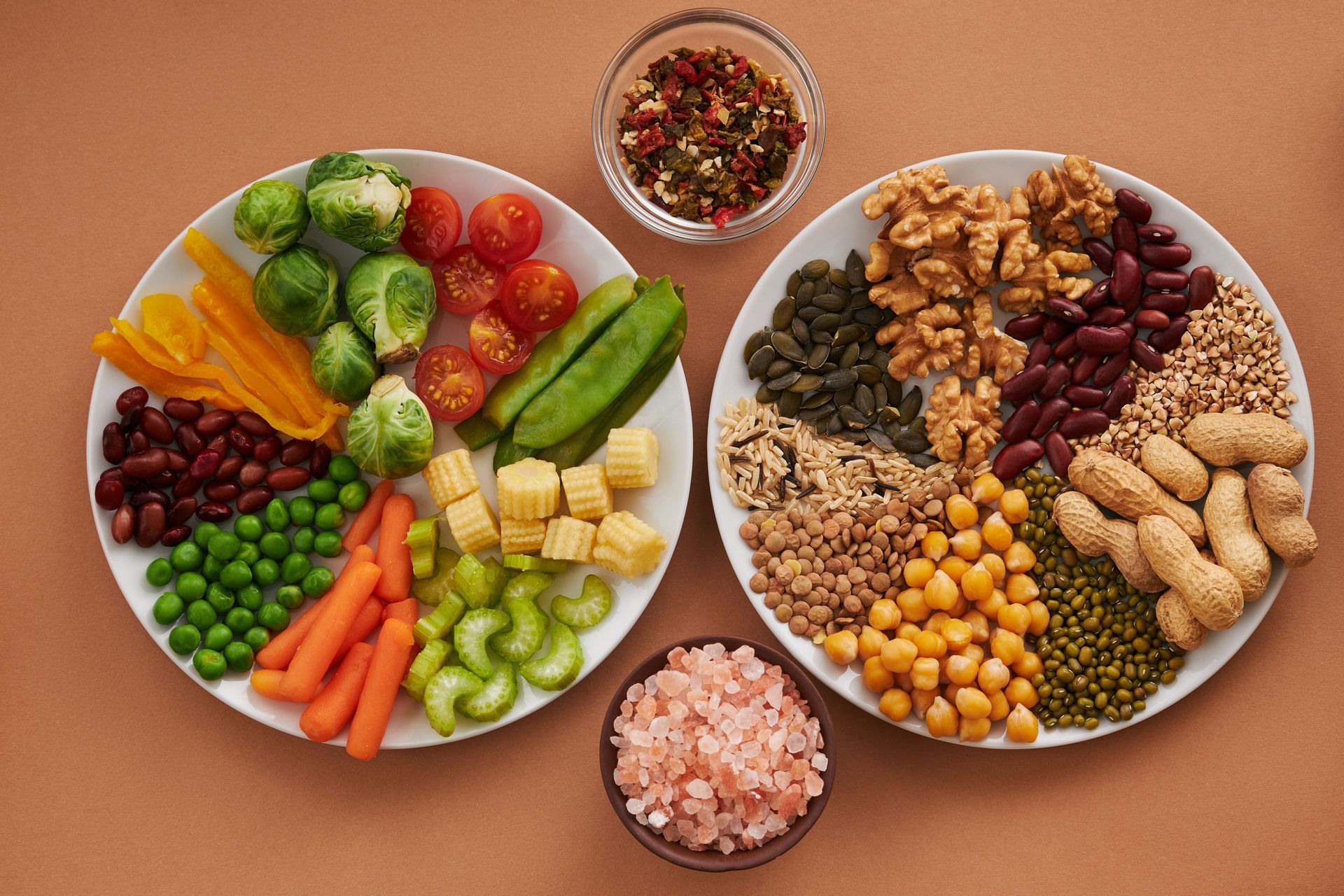
Aim for a variety of colours to maximise nutrient intake. Seasonal options include:
- Strawberries, blueberries, raspberries
- Spinach, rocket, kale
- Tomatoes, capsicum, cucumber
- Fresh herbs (mint, basil, parsley)
- Asparagus, zucchini, green beans
3. Choose Lean Proteins
Lean proteins support muscle repair, stable energy, and satiety. Options include:
- Grilled fish (salmon, white fish)
- Legumes (lentils, chickpeas, black beans)
- Tofu or tempeh
- Eggs
- Skinless chicken
- Low‑fat dairy or Greek yoghurt
4. Shift to Lighter Cooking Methods
- Grilling
- Steaming
- Stir‑frying
- Fresh salads
- Cold bowls and wraps
- Light broths
These methods preserve nutrients and reduce excess calories.
5. Reduce Heavy Winter Meals
Limit:
- Cream‑based sauces
- Deep‑fried foods
- Large portions of red meat
- Excessive bread and pasta
- High‑sugar desserts
Simple Spring Meal Ideas
Breakfast
- Berry yoghurt bowl with chia seeds and almonds
- Vegetable omelette with fresh herbs
- Overnight oats with citrus and mint
- Smoothie with spinach, berries, and protein powder
Lunch
- Grilled chicken or tofu salad with lemon vinaigrette
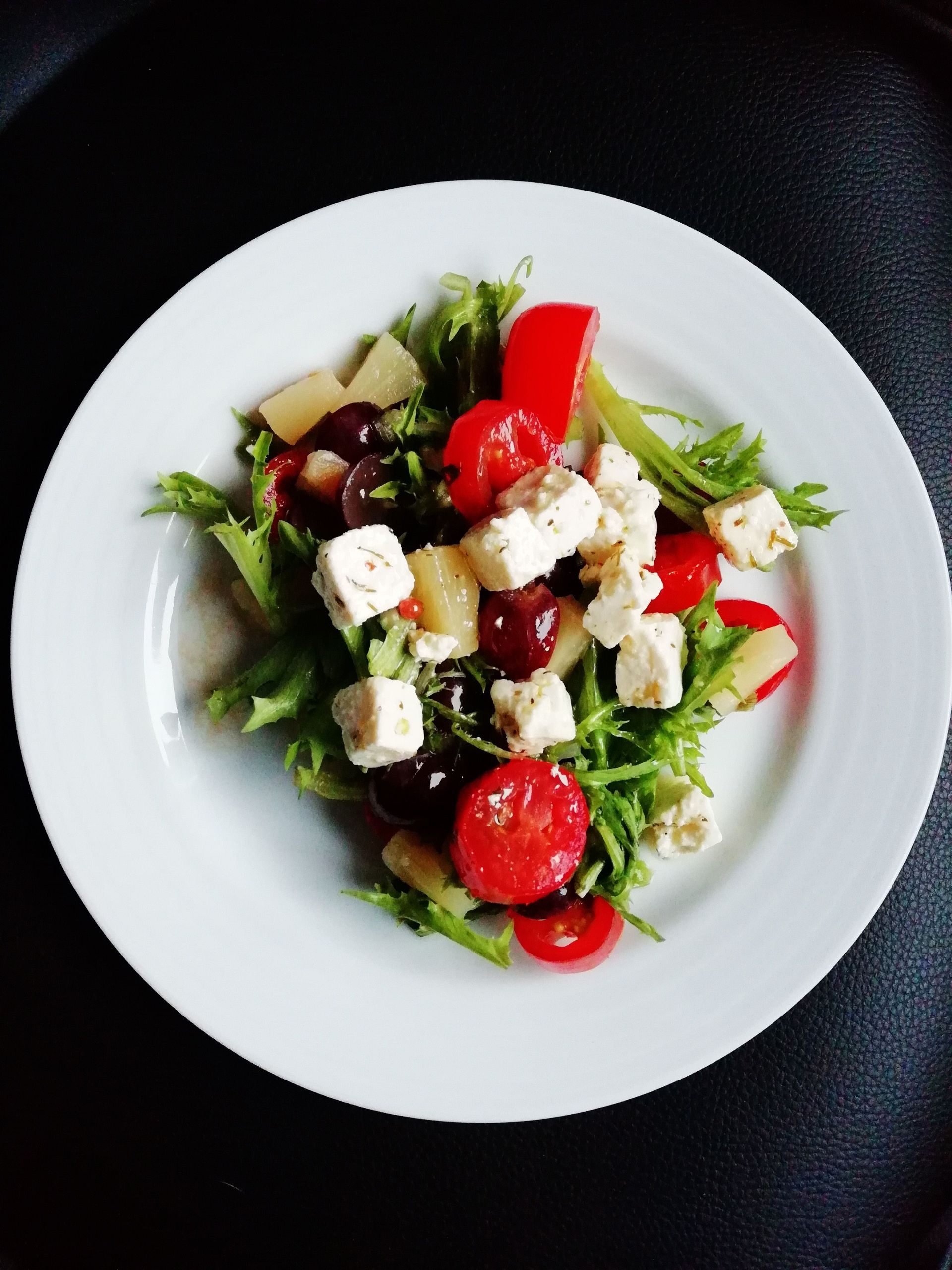
- Cold pasta salad with tomatoes, olives, basil, and feta
- Rice paper rolls with vegetables and lean protein
- Quinoa bowl with roasted vegetables and fresh herbs
Dinner
- Light stir‑fry with ginger, garlic, and seasonal greens
- Grilled fish with cucumber and dill salad
- Vegetable frittata with rocket and cherry tomatoes
- Lentil and vegetable soup with fresh herbs
How Key to Life Supports Seasonal Nutrition
Key to Life's HealthyME program helps clients build realistic, sustainable nutrition habits. We focus on small changes that fit into everyday life — not restrictive diets.
Our approach supports energy, movement, and long‑term wellbeing through personalised guidance and practical strategies.