Interval Training for Busy Schedules: Short Workouts, Big Results
Interval Training for Busy Schedules: Short Workouts, Big Results
Busy schedules often makes exercising feel impossible.
Interval training offers a time‑efficient solution that delivers strong fitness benefits without long workouts. This article explains how interval training works, why it’s effective, and how to use it safely — especially for beginners or those returning to exercise.
Why Interval Training Works
Boosts Cardiovascular Fitness - Short bursts of effort challenge the heart and lungs, improving endurance and oxygen efficiency.
Increases Calorie Burn - Intervals elevate metabolism during and after exercise, supporting weight management and metabolic health.
Improves Strength and Power - Intervals can include strength‑based movements, helping build muscle and functional capacity.
Fits Easily Into Busy Routines - Sessions can be as short as 10–20 minutes and still deliver meaningful results.
Adaptable for All Fitness Levels - Intervals can be low‑impact, moderate intensity, or high intensity depending on the individual.
What Interval Training Looks Like
Interval training alternates short bursts of effort with periods of rest or lower intensity. Examples include:
- Walking intervals (fast/slow)
- Cycling intervals
- Bodyweight circuits
- Low‑impact cardio intervals
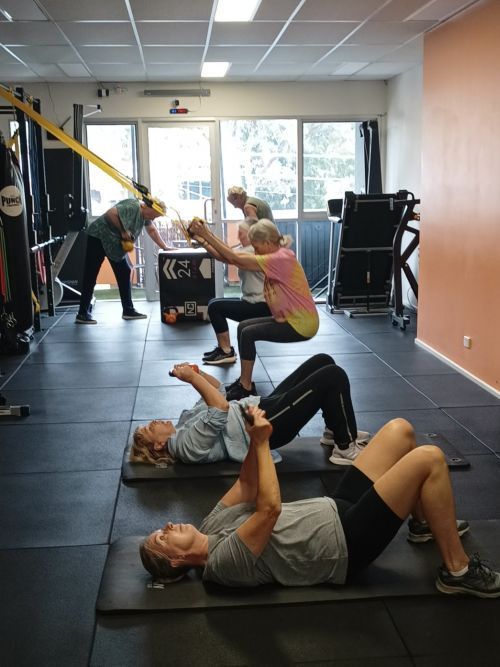
- Strength‑based intervals (squats, pushes, pulls)
Intervals can be structured around time, distance, or repetitions.
Beginner‑Friendly Interval Framework
Warm‑up (3 minutes)
Light walking, marching, or mobility movements.
Work Phase (30 seconds) - Choose one movement:
Fast walking
Step‑ups
Squats
Light jogging
Cycling
Low‑impact cardio (marching, knee lifts)
Rest Phase (30–45 seconds)
Slow walking or complete rest.
Repeat for 10–15 rounds
Adjust intensity based on comfort and technique.
Cool Down (2 minutes)
Gentle stretching or slow walking.
Tips for Safe, Effective Intervals
- Start with low‑impact movements
- Keep intensity moderate until technique improves
- Avoid holding breath during effort
- Stop if pain occurs
- Progress gradually by increasing work time or reducing rest
- Maintain good posture and controlled movement
- Use supportive footwear
- Hydrate before and after sessions
How Key to Life Supports Busy Clients
Key to Life offers classes at times that fit into busy lifestyles; 6am before work, 10am after school drop-off, 1pm for those with lunchtime availability, 6.30pm for those available after work and family commitments.
We help clients build consistency, confidence, and long‑term fitness habits.