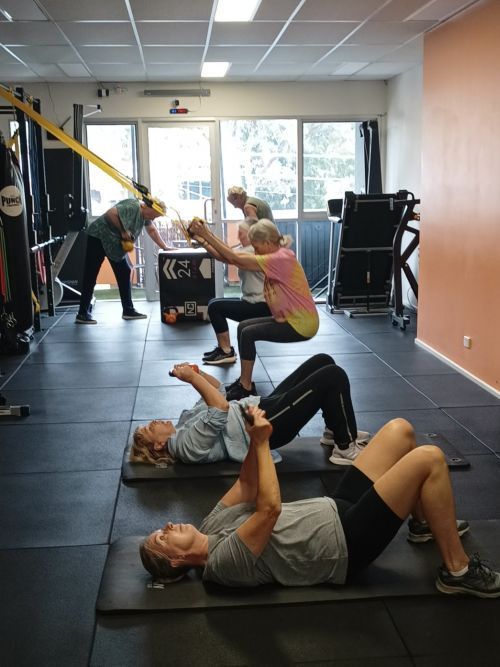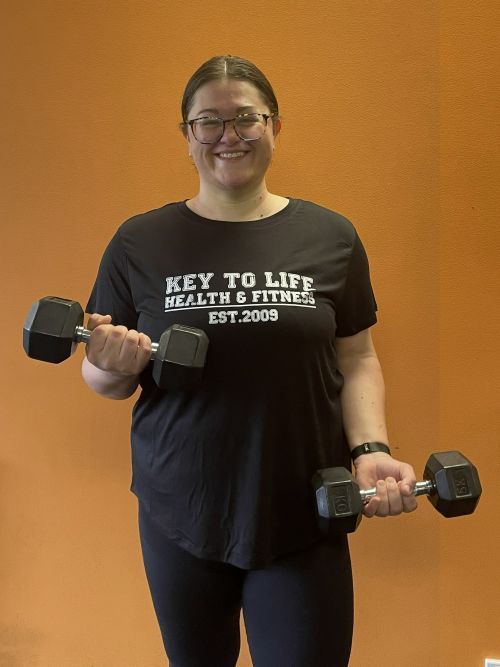

Strength Training for Seniors: Myths and Facts
Strength Training for Seniors: Myths and Facts
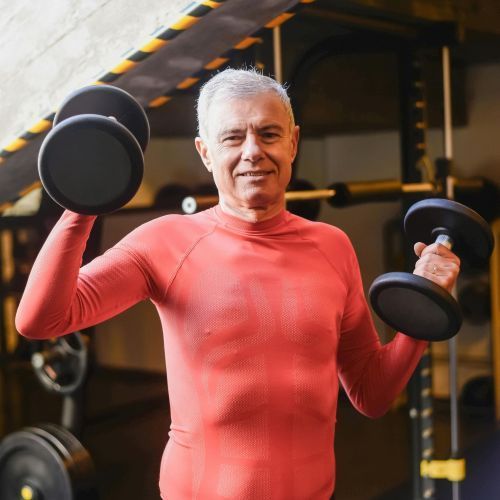
Strength training is an essential component of a well-rounded fitness routine, especially for seniors. However, there are many myths and misconceptions about strength training that can discourage older adults from incorporating it into their lives. At Key to Life Health and Fitness, we aim to debunk these myths and provide accurate information to help seniors confidently embrace strength training.
Here are some common myths and facts about strength training for seniors:
Myth 1: Strength Training is Only for Young People
Fact: Strength training is beneficial for people of all ages, including seniors. In fact, it becomes even more important as we age. Strength training helps maintain muscle mass, bone density, and overall functional fitness, which are crucial for preserving independence and quality of life.
Myth 2: Strength Training is Too Intense for Seniors
Fact: Strength training can be tailored to suit any fitness level, including beginners and seniors. The key is to start with light weights and gradually increase the intensity as your strength improves. Exercises can be modified to accommodate any physical limitations or health conditions.
Myth 3: Strength Training Will Make Me Bulky
Fact: Building bulky muscles requires specific training and nutrition that is unlikely to occur from a typical senior strength training program. For most seniors, strength training helps build lean muscle mass, which improves strength and metabolism without significantly increasing muscle size.
Myth 4: Strength Training is Dangerous for Seniors
Fact: When performed correctly and under the guidance of a qualified trainer, strength training is safe and effective for seniors. It’s important to use proper form and technique to avoid injuries. At Key to Life Health and Fitness, our experienced trainers ensure that exercises are performed safely and effectively.
Myth 5: I Don't Need Strength Training if I Do Cardio
Fact: While cardiovascular exercise is important for heart health, it doesn't provide the same benefits as strength training. Strength training specifically targets muscle strength, bone density, and functional fitness, which are not significantly improved through cardio alone. Both types of exercise are important for overall health.
Benefits of Strength Training for Seniors
- Increased Muscle Mass: Strength training helps combat age-related muscle loss, known as sarcopenia, by building and maintaining muscle mass.
- Improved Bone Density: Regular strength training can help increase bone density, reducing the risk of osteoporosis and fractures.
- Enhanced Mobility and Balance: Strengthening muscles around joints improves stability and balance, reducing the risk of falls.
- Better Metabolism: Building muscle mass boosts metabolism, helping to manage weight and maintain energy levels.
- Improved Mental Health: Exercise, including strength training, releases endorphins that can improve mood and reduce symptoms of depression and anxiety.
At Key to Life Health and Fitness, our senior strength training programs are designed to help you achieve these benefits in a safe and supportive environment. Our accredited trainers provide personalized guidance to ensure that each exercise is tailored to your individual needs and fitness level.
Ready to embrace strength training? Contact Key to Life Health and Fitness today to learn more about our senior fitness classes and personalized training programs. Let's build strength and confidence together! 🌟