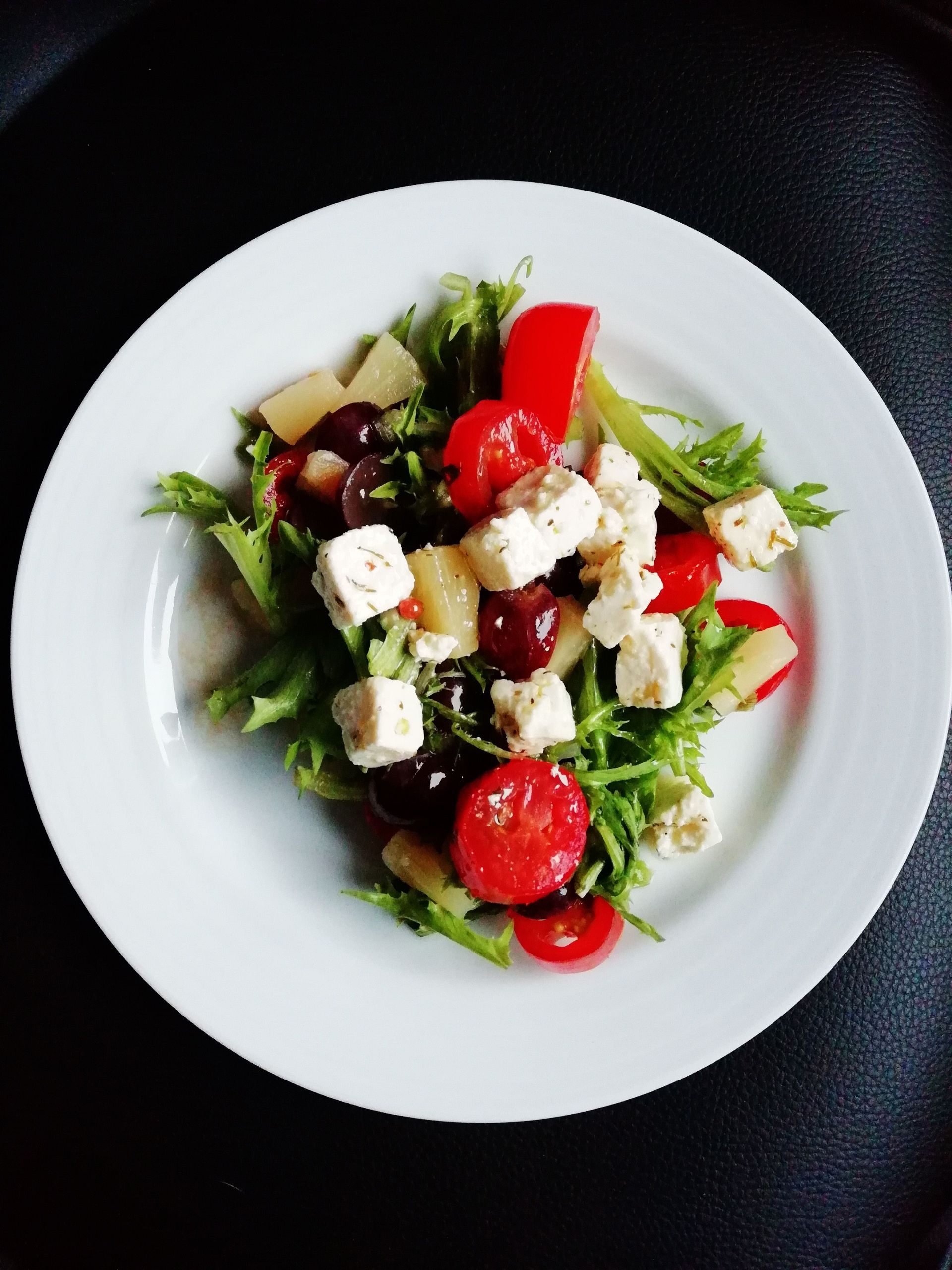

Building Sustainable Eating Habits for Weight Loss
Building Sustainable Eating Habits for Weight Loss

Weight loss is one of the most common health goals for adults, yet it is also one of the most misunderstood.
Many people begin their journey with enthusiasm, only to find themselves overwhelmed by restrictive diets, conflicting advice or short‑term programs that promise fast results but fail to deliver lasting change.
The truth is that sustainable weight loss is not about perfection, deprivation or willpower. It is about building long‑term eating habits that support health, energy and wellbeing. Adopting sustainable nutrition habits can transform not only physical health but also confidence, mood and daily performance.
This article explores how sustainable eating habits work, why they are more effective than dieting, and how beginners can start making meaningful changes that last.
Why Sustainable Eating Habits Matter More Than Diets
Short‑term diets often lead to short‑term results. They may produce quick weight loss, but they rarely teach the skills needed to maintain those results. Sustainable eating habits, on the other hand, focus on long‑term behaviour change—something that supports weight loss and overall health for years, not weeks.
1. Sustainable Habits Reduce the Risk of Rebound Weight Gain
Highly restrictive diets often cause people to lose weight quickly, but they also slow metabolism and increase cravings. When the diet ends, old habits return, and weight often comes back—sometimes even more than before.
Sustainable habits avoid this cycle by focusing on gradual, manageable changes that the body can adapt to safely.
2. They Support Better Energy, Mood and Daily Function
Food is fuel. When people eat balanced meals with adequate nutrients, they experience:
- More stable energy
- Better concentration
- Improved mood
- Reduced cravings
- Better sleep
These benefits make it easier to stay active, attend fitness classes and maintain a healthy lifestyle.
3. Sustainable Habits Fit Into Real Life
Life is busy. Work, family commitments and social events make strict diets unrealistic. Sustainable eating habits allow flexibility—meaning people can enjoy meals out, family gatherings and celebrations without guilt or disruption.
4. They Build Confidence and Long‑Term Success
When people learn how to make balanced choices, read labels, manage portions and understand hunger cues, they gain confidence in their ability to maintain their results. This empowerment is one of the strongest predictors of long‑term weight loss success.
The Foundations of Sustainable Eating for Weight Loss
Sustainable eating habits are built on simple, practical principles that can be applied daily. These principles are flexible, realistic and suitable for people of all ages and fitness levels.
1. Prioritise Whole, Minimally Processed Foods
Whole foods provide more nutrients, fibre and satiety than processed foods. They help regulate appetite and support stable blood sugar levels.
Examples include:
- Vegetables and fruit
- Lean proteins
- Whole grains
- Legumes
- Nuts and seeds
- Healthy fats
These foods form the foundation of a balanced eating pattern.
2. Build Balanced Plates
A balanced plate helps regulate hunger and energy throughout the day. A simple structure is:
- Half a plate of vegetables
- A quarter plate of lean protein
- A quarter plate of whole grains or starchy vegetables
- A small portion of healthy fats
This approach supports weight loss without requiring calorie counting for every meal.
3. Eat Mindfully and Listen to Hunger Cues
Mindful eating helps people recognise true hunger, avoid overeating and enjoy food more fully. Key strategies include:
- Eating slowly
- Avoiding distractions
- Checking in with hunger levels before and after meals
- Stopping when comfortably satisfied
This habit alone can significantly reduce unnecessary calorie intake.
4. Plan Ahead to Reduce Stress and Impulse Choices
Planning meals and snacks helps prevent last‑minute decisions that often lead to less nutritious choices. This doesn’t require complicated meal prep—simple steps like writing a shopping list or preparing a few staples can make a big difference.
5. Stay Hydrated
Hydration supports metabolism, digestion and appetite regulation. Many people mistake thirst for hunger, leading to unnecessary snacking. Drinking water regularly throughout the day helps maintain energy and reduce cravings.
6. Include Protein at Each Meal
Protein increases satiety, supports muscle maintenance and helps regulate blood sugar. Including protein at each meal—such as eggs, yoghurt, lean meats, tofu, legumes or fish—helps beginners feel fuller for longer.
7. Allow Flexibility and Enjoyment
Sustainable eating habits include room for favourite foods. Restriction often leads to cravings and overeating. Allowing occasional treats without guilt helps maintain balance and prevents the “all‑or‑nothing” mindset.
How Sustainable Eating Supports Weight Loss
Weight loss occurs when the body is in a calorie deficit, but sustainable habits help create that deficit naturally—without extreme restriction.
Improved Satiety Reduces Overeating
Whole foods, protein and fibre help people feel full, reducing the likelihood of overeating or snacking out of habit.
Stable Blood Sugar Reduces Cravings
Balanced meals prevent the blood sugar spikes and crashes that trigger cravings for sugary or high‑calorie foods.
Better Energy Supports Physical Activity
When people feel energised, they are more likely to attend fitness classes, walk more and stay active—supporting weight loss and overall health.
Consistent Habits Create Predictable Results
Small, daily habits compound over time. Even modest changes can lead to significant weight loss when maintained consistently.
Common Challenges and How to Overcome Them
Beginners often face similar obstacles when trying to build sustainable eating habits. Understanding these challenges helps people prepare and stay on track.
1. Emotional Eating
Stress, boredom and fatigue can trigger emotional eating. Strategies include:
- Identifying triggers
- Practising stress‑reduction techniques
- Keeping nourishing snacks available
- Building a support network
Outdoor group fitness, yoga and Pilates can also help reduce stress and improve emotional regulation.
2. Social Pressure
Social events often involve food. Sustainable habits allow flexibility, but planning ahead helps:
- Eating a balanced meal beforehand
- Choosing smaller portions
- Drinking water between alcoholic drinks
- Focusing on social connection rather than food
3. All‑or‑Nothing Thinking
Many people feel they must be “perfect” to lose weight. Sustainable habits reject this idea. Progress is built on consistency, not perfection.
4. Lack of Time
Busy schedules can make healthy eating feel difficult. Solutions include:
- Preparing simple meals
- Using slow cookers or batch cooking
- Keeping healthy snacks on hand
- Choosing quick, whole‑food options
How the HealthyME Program Supports Sustainable Eating
The Key to Life - HealthyME program, endorsed by accredited dietitians, is designed to help people build sustainable eating habits through:
- Daily calorie tracking via an easy‑to‑use app
- Immediate feedback on food choices
- Weekly support from a personal coach
- Integration with fitness training
This combination of accountability, education and personalised guidance helps participants develop long‑term habits that support weight loss and overall wellbeing.
Conclusion: How Key to Life Supports Sustainable Weight Loss
Building sustainable eating habits is the most effective and empowering way to achieve long‑term weight loss. It focuses on balance, flexibility and daily habits that support health, energy and confidence.
Key to Life supports this journey by offering:
- The HealthyME weight loss program
- Accredited trainers who provide personalised guidance
- Small class sizes for individual attention
- A welcoming community across Lower Plenty, Eltham, Montmorency and Briar Hill
- A balanced approach that integrates nutrition, fitness and lifestyle
Whether someone is just beginning their weight loss journey or looking to refine their habits, Key to Life provides the tools, support and expertise needed to succeed.
Why Key to Life
Key to Life offers a holistic approach to health and fitness, combining personalised support, small class sizes, experienced trainers and a strong community focus. With studio classes, outdoor group fitness, personal training and the HealthyME program, members receive comprehensive guidance tailored to their goals.
Contact us today if you would like to learn more about our HealthyME program