
Teenage Knee Pain? Could it be Osgood Schlatter Disease?
Teenage Knee Pain? Could it be Osgood Schlatter Disease?
What is Osgood Schlatter disease?
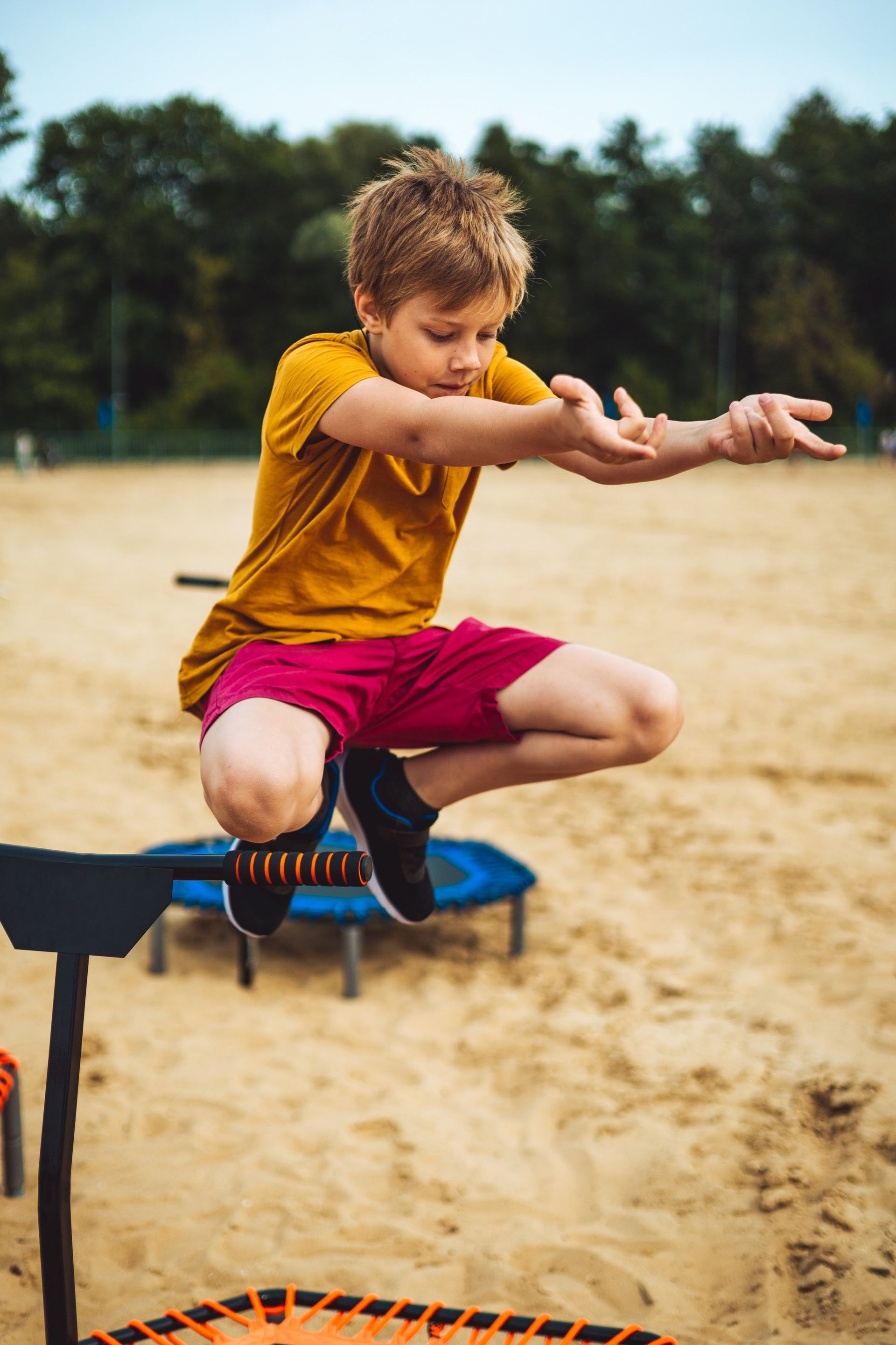
Osgood Schlatter disease is a common cause of front of the knee pain in late childhood and adolescence. It is more common in boys and children who are very active, especially in jumping and running sports.
It can affect one or both knees. It is generally worse during and straight after exercise and gets better with rest.
What is happening to the knee in Osgood Schlatter disease?
The 4 muscles collectively called the quadriceps come together at the front of the knee, run over the knee and attach on to the tibia (shin bone). In this condition there is increased pulling on this point of the bone and a lump can develop which is often tender.
After growth is finished, pain will often go away although sometimes the lump is still evident.
However it is still important to get a medical opinion, diagnosis and treatment plan to ensure healing occurs and further injury is prevented.
How Osteopathy can assist with the management of Osgood Schlatter disease
An Osteopathic treatment for Osgood Schlatter disease focuses on reducing pain and discomfort. We also look at biomechanics of the feet, knees, hips and back to assess any restrictions that may be contributing or resulting from the knee pain and Osgood Schlatter’s disease. We then address these structures with hands-on therapy and provide appropriate exercises and a rehab program to guide patients through this condition.
It is important to address the thigh muscle (quadriceps) tightness. When the quadriceps are really irritated, quadricep stretching should be done with caution and often recommended to use other techniques such as a foam roller, spikey ball or a massage gun in the area.
Then a strengthening program should be started to support the muscle and prevent aggravating the pain.
Other common treatments include applying ice to the area and activity modification. You may be able to continue your sports but activities may need to be adjusted.
--
Dr Mariella Berry (Osteopath)
BSC (Osteopathy), MHSc (Osteopathy)