What is the difference between Osteopathy and Physiotherapy?
What is the difference between Osteopathy and Physiotherapy?
It is something we as Osteopaths get asked a lot and to be honest there is no simple answer as every Osteopath and Physiotherapist is different.
But here’s how I like to explain it… think about your family and your cousins. There are often similarities in your traits or personality or even appearance. But there are also differences between your cousins because of the values and methods of how you were brought up.
That is similar to Osteo, physio and even some other allied health professions.
There is some crossover in techniques we learn, we have similar numbers of years of study, we are both registered health professionals (our personal traits) but some of our philosophies or approaches and teachings are slightly different (our values from how we are brought up).
Now I’m not a physio so I can’t speak for them too much but I’m an Osteo so let me talk about that.
WHAT IS OSTEOPATHY?
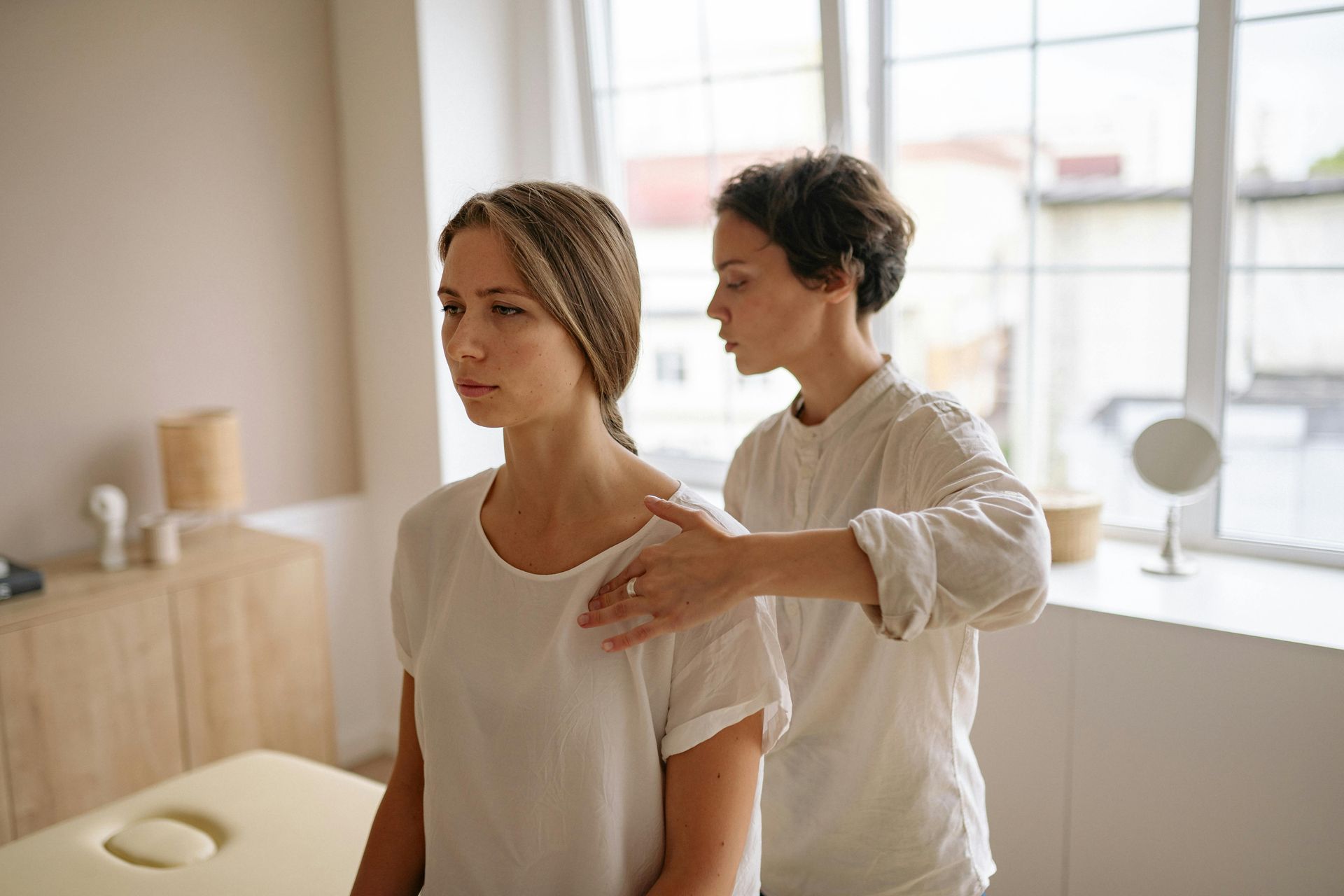
Osteopathy is a hands on manual therapy which approaches a patient looking at the big picture or trying to get a holistic view of the patient.
What this may look like is if you come in with shoulder pain, the osteopath after taking a detailed history, may look at your back, neck, ribs, elbow, hand and even lower back to assess the impacts of these areas on your complaint.
Treatment is often very hands-on using a range of techniques such as soft tissues, muscle energy technique (patient is pushing against practitioners resistance), counterstrain (where we position the body in a position of comfort to reduce the tension through the muscle), articulation (involving the repetitive moving of the joints).
We may also do techniques such as ‘cracking of joints’ on some patients or more subtle techniques to address the bones and supporting structures such as the ligaments around them.
Osteopaths are also trained in being able to give exercises and rehab as well as advice on things you can do outside of the consult to aid in the improvement of your complaint such as modification of activities or postures, ergonomic advice and pain management at home.
What I love is that Osteopathy has such a wide number of techniques which means that we can adapt our treatment to each individual and what works for them and their bodies.
We don’t only look at the bones and joints (the name of the profession is confusing, I know) but we treat more than bones and joints. We have extensive knowledge on muscles, ligaments and other supporting structures as well as the nervous system.
SO WHEN SHOULD I SEE AN OSTEOPATH VS A PHYSIO
So let’s generalise treatment approaches (even though I said every osteo and physio are different). Ostoes and physios both take a holistic approach to patients. We both like to understand when a patient has shoulder pain, is it affecting or being affected by the neck, arm or back. How we approach a patient like this is different. A physio generally works with the muscles to assist that shoulder, whether through massage, stretching, taping, exercises or rehab.
As an osteo we look at is the muscle impacting the bones and joints leading to the shoulder to not work as well as it could and causing muscles to be tight. Our focus is very much hands-on treatment with some advice and home management and often a few exercises for you to take home and do by yourself.
So really it depends on what you and your practitioner think you need at that time.
CAN OSTEO AND PHYSIO WORK TOGETHER
Yes of course they can! As I said above it's because we can have slightly different focus areas in our sessions, which is why a physio and osteo can be the perfect pair in helping you on your health journey. An osteopath can focus on the hands on component and the physio focus on ensuring you do your rehab exercises correctly and then together we can give advice and management
Ultimately it's your decision whether you see an Osteo or a Physio, both or neither but find the right combination or profession that works best for you.
At Osteo 4 Families we love working with other health professions to get the best result for the patient. SO if you are currently seeing someone and want some more support let us know.