Yoga as a Relaxation and Flexibility Tool
Yoga as a Relaxation and Flexibility Tool
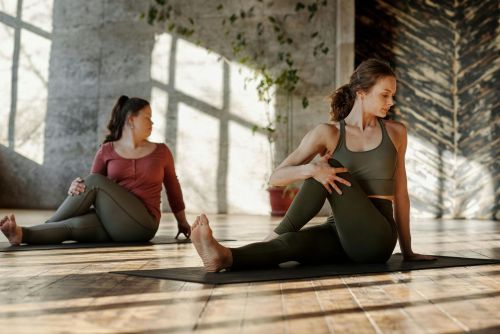
Yoga is an ancient practice that has evolved into a powerful tool for both relaxation and flexibility. Whether you’re looking to unwind after a stressful day, build mobility, or simply enhance your overall well-being, yoga offers a solution backed by centuries of wisdom and modern science.
With its combination of controlled breathing, mindful movements, and meditative focus, yoga creates a harmonious balance between body and mind, making it an essential component of a healthy lifestyle.
Yoga for Relaxation: The Science Behind Stress Relief
Modern life is fast-paced, filled with constant demands and digital distractions that can leave us feeling overwhelmed. Yoga serves as an antidote to stress by activating the body's relaxation response through controlled breathing and gentle postures.
How Yoga Reduces Stress
- Deep Breathing (Pranayama) – Focused breathing techniques in yoga, such as diaphragmatic breathing and alternate nostril breathing, help regulate the nervous system. This reduces stress hormone production and promotes calmness.
- Mindfulness & Meditation – Yoga integrates present-moment awareness, helping practitioners shift focus away from daily worries and instead concentrate on bodily sensations, fostering a state of mental clarity and serenity.
- Physical Relaxation – Slow, gentle movements allow muscles to release built-up tension, improving circulation and reducing physical symptoms of stress, such as tight shoulders and stiff joints.
Best Yoga Poses for Relaxation
- Child’s Pose (Balasana) – A grounding posture that encourages deep breathing and relieves lower back tension.
- Corpse Pose (Savasana) – A full-body relaxation pose often practiced at the end of a yoga session to promote stillness and peace.
- Legs-Up-The-Wall Pose (Viparita Karani) – Helps regulate blood flow and provides a calming effect on the nervous system.
Scientific Studies on Yoga & Stress Relief
Research published in the Journal of Clinical Psychology indicates that regular yoga practice significantly reduces stress, enhances mood, and improves sleep quality. Additionally, studies show that yoga lowers cortisol levels, the primary hormone responsible for stress, contributing to a greater sense of well-being.
Yoga for Flexibility: Why Mobility Matters
Flexibility isn’t just about touching your toes—it’s essential for joint health, muscle function, and overall movement efficiency. Yoga promotes active stretching, allowing the body to gradually improve mobility while strengthening supporting muscles.
The Importance of Flexibility
- Prevents Injuries – A flexible body is less prone to muscle strains and joint pain.
- Enhances Performance – Whether you're an athlete, a gym-goer, or someone who sits at a desk all day, flexibility improves posture, movement range, and coordination.
- Supports Healthy Aging – As we age, mobility declines. Regular yoga practice keeps joints and muscles supple, helping individuals maintain independence and comfort.
Best Yoga Poses for Flexibility
- Downward Dog (Adho Mukha Svanasana) – Stretches the hamstrings, calves, and spine, improving overall mobility.
- Pigeon Pose (Eka Pada Rajakapotasana) – Targets the hip flexors, easing tension built up from prolonged sitting.
- Seated Forward Fold (Paschimottanasana) – Lengthens the lower back, hamstrings, and spine, aiding posture.
Scientific Studies on Yoga & Flexibility
A study published in the Journal of Sports Science & Medicine found that consistent yoga practice improved participants’ flexibility by up to 35% within a few weeks. The research suggests that yoga is more effective than traditional stretching techniques when it comes to enhancing mobility and reducing stiffness.
Yoga in Your Local Community: Key to Life Health & Fitness
At Key to Life Health & Fitness, we provide expert-led yoga classes from our private studio in Lower Plenty.
For those seeking Yoga classes in Eltham, Lower Plenty, Montmorency and the surrounding areas we are here to help you achieve relaxation, flexibility, and overall well-being.
What We Offer:
✅ Small Class Sizes – Maximum of 8 participants for personalized attention
✅ Accredited Trainers – Experienced instructors with a deep understanding of yoga’s benefits
✅ Flexible Class Schedules – Yoga classes held 3 x each week, including morning, evening, and weekend classes
Whether you're looking to de-stress, improve mobility, or enhance your fitness journey, our classes provide a welcoming space for all levels. Join us at Key to Life and discover the transformative power of yoga!