Healthy Eating During the Festive Season Without Missing Out on the Fun
Healthy Eating During the Festive Season
Without Missing Out on the Fun
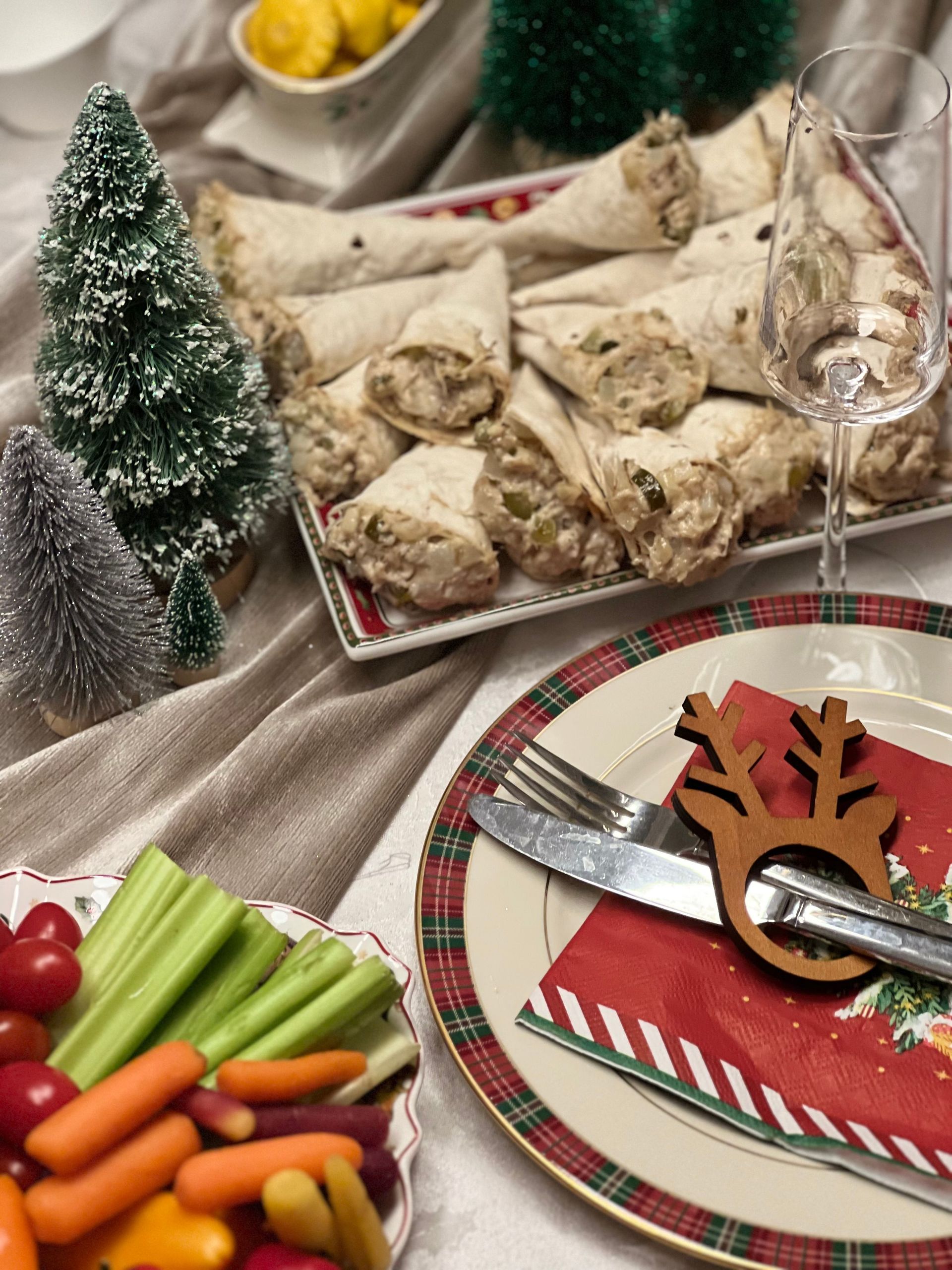
December is a time for celebrations, family gatherings, workplace functions, and festive meals. While many people worry about gaining weight during the holiday season, the reality is that maintaining good health does not require perfect eating habits. The key is finding balance and making mindful choices that allow you to enjoy the festivities without abandoning your health goals.
At Key to Life Health and Fitness, we often remind clients that healthy living is not about restriction. It's about building habits that can be maintained all year round, including during special occasions. Christmas and New Year should be enjoyed, but they don't have to result in weeks of overeating, feeling sluggish, or abandoning the routines that help you feel your best.
Why the Holiday Season Can Be Challenging
The festive season often brings:
- More social events centred around food
- Larger portion sizes
- Increased availability of sweets and alcohol
- Busier schedules that disrupt normal routines
- Stress and fatigue that can trigger overeating
Many people adopt an "all or nothing" mindset during December, telling themselves they will start again in January. Unfortunately, this approach can lead to weeks of overeating and inactivity.
The reality is that most people don't gain weight from Christmas Day itself. Instead, extra weight gain often occurs because of several weeks of small changes in habits. An extra biscuit with coffee, a few handfuls of snacks during the day, more takeaway meals, and reduced physical activity can all contribute over time.
Recognising these patterns is the first step towards maintaining control without sacrificing enjoyment.
Focus on Progress, Not Perfection
Healthy eating doesn't mean saying no to every Christmas dessert or festive meal. It means making thoughtful choices most of the time.
Perfection is neither realistic nor necessary. The goal is to continue practising healthy habits while allowing room for flexibility and enjoyment.
A sustainable approach to nutrition means understanding that one meal does not determine your health outcomes. What matters most is the consistency of your choices over weeks, months, and years.
Prioritise Protein
Protein helps keep you fuller for longer and supports muscle maintenance.
Good choices include:
- Lean meats
- Fish
- Eggs
- Greek yoghurt
- Legumes
- Tofu
Filling your plate with protein first can help reduce the likelihood of overeating less nutritious options.
Protein also plays an important role in maintaining muscle mass, supporting recovery, and assisting healthy weight management. Starting meals with a quality protein source can help you feel satisfied sooner and make it easier to manage portion sizes.
Fill Half Your Plate with Vegetables
Vegetables provide fibre, vitamins, minerals and volume without excessive calories.
Before reaching for second helpings of richer foods, ensure your meal includes plenty of colourful vegetables or salad.
Vegetables can help you feel fuller while supporting digestive health and overall wellbeing. Aim for variety by including different colours and types throughout the day.
Stay Hydrated
Dehydration can sometimes feel like hunger.
Aim to:
- Carry a water bottle
- Drink water before meals
- Alternate alcoholic drinks with water
Proper hydration supports energy levels, digestion, exercise performance and recovery.
During hot Melbourne summer days, hydration becomes even more important. Increasing water intake can help reduce unnecessary snacking and improve overall wellbeing.
Enjoy Treats Mindfully
Rather than avoiding festive foods completely, choose the treats you genuinely enjoy and savour them.
Mindful eating helps you feel satisfied while reducing unnecessary overindulgence.
Slow down while eating, appreciate flavours and textures, and avoid distractions when possible. This allows your body's natural hunger and fullness signals to work more effectively.
Don't Skip Meals
Many people skip meals to "save calories" before special occasions.
This often backfires and leads to excessive eating later.
Instead:
- Eat regular meals
- Include protein throughout the day
- Arrive at events comfortably satisfied rather than starving
Regular eating patterns support stable energy levels and can help prevent overeating when treats are available.
Smart Strategies for Holiday Gatherings
When attending parties or family events, a little planning can make a big difference.
Consider:
- Having a protein-rich snack before arriving
- Surveying the food options before filling your plate
- Choosing foods you genuinely enjoy rather than eating everything available
- Eating slowly and taking time to socialise
- Moving away from buffet tables after serving yourself
These simple habits help prevent mindless eating and allow you to focus on enjoying time with family and friends.
Remember that the purpose of gatherings is connection, conversation, and creating memories. Food can certainly be part of that experience, but it doesn't need to become the sole focus.
Managing Alcohol Consumption
Alcohol is often a significant contributor to excess calorie intake during December.
While enjoying a drink can be part of celebrations, moderation is important.
Helpful tips include:
- Setting a limit before an event
- Alternating alcoholic drinks with water
- Choosing lower-calorie options
- Avoiding drinking on an empty stomach
Reducing alcohol intake can improve sleep quality, energy levels, and recovery from exercise throughout the holiday period.
Many people are surprised at how much better they feel after adopting these simple strategies.
Maintain Healthy Family Traditions
The festive season offers an excellent opportunity to create traditions that support health and wellbeing.
Ideas include:
- A family walk on Christmas morning
- Outdoor games after lunch
- Preparing healthy recipes together
- Exploring local walking trails
- Participating in community events
These activities create lasting memories while encouraging movement and connection.
They can also help children develop positive associations with physical activity and healthy living.
Keep Perspective
One festive meal won't undo months of healthy habits.
What matters most is what you do consistently over time.
A few celebrations are part of a healthy, balanced lifestyle. The goal is to enjoy them while maintaining the habits that help you feel your best.
Many people focus heavily on what they eat for the few days between Christmas and New Year. In reality, it's often more important to focus on what they eat for the full year between New Year and Christmas.
Long-term health is built through consistency, not perfection.
Looking Beyond December
The end of the year should not be viewed as a pause in your health journey. Instead, think of December as another month in your ongoing commitment to wellbeing.
Maintaining healthy habits throughout the festive season means you can begin the new year feeling positive, energetic and motivated instead of feeling like you need to completely start over.
Small daily decisions can have a significant impact on how you feel heading into January.
How Key to Life Can Help
At Key to Life Health and Fitness, we help people create sustainable habits that work in real life, including during busy holiday periods.
Our personal training, group fitness classes, Pilates, yoga, seniors fitness programs, outdoor fitness sessions and HealthyME program are designed to help clients develop practical habits that support long-term health and fitness success.
Whether your goal is weight loss, improved strength, better mobility, increased fitness, or simply feeling healthier and more confident, our experienced team can help you stay on track through every season of the year.
Final Thoughts
This December, aim for balance rather than perfection.
Enjoy special occasions, stay mindful of your choices, and continue practising the healthy habits that support your wellbeing.
The festive season should be both enjoyable and healthy. By focusing on consistency, moderation and mindful decision-making, you can finish the year feeling energised, confident and ready for a successful start to the new year.
Remember, sustainable health is not about what you do occasionally. It's about what you do consistently. A balanced festive season can help you maintain momentum and continue progressing towards your health and fitness goals long after the decorations have been packed away.